Skip to content

Crawl space encapsulation · Charlotte metro · NC & SC

Charlotte Crawl SpacePro · Encapsulation

Services

Crawl space encapsulation in Charlotte, NC

Everything that happens under the house, from a new vapor barrier to a full closed crawl space with drainage and a dehumidifier. Each job starts with a free inspection and is done by a local contractor under a North Carolina (or South Carolina) permit.

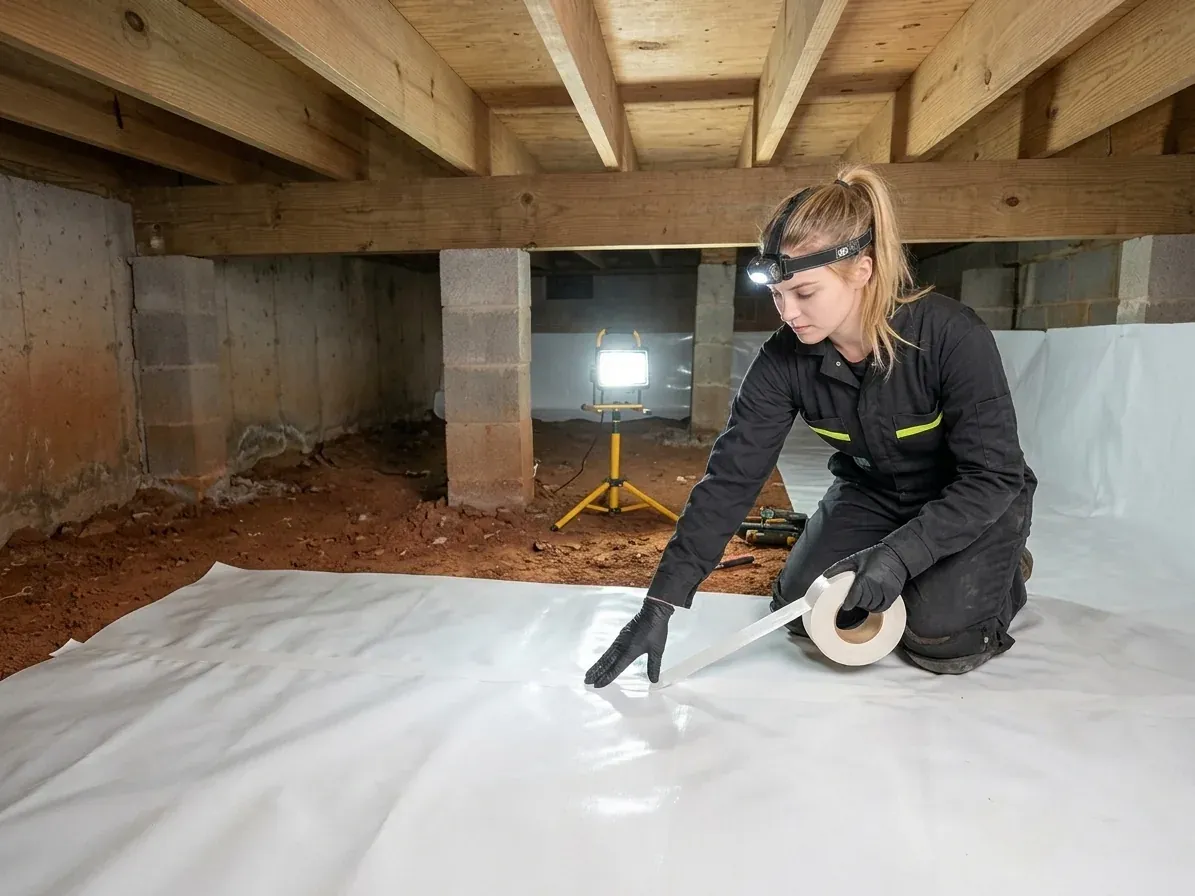
Technician taping a seam in a white 20-mil crawl space liner

01 / 07

Full crawl space encapsulation

The complete conversion from a vented crawl space to a closed one under NC Residential Code R409.

What's included

  • Old plastic and debris removed, low spots graded where needed
  • Reinforced 20-mil liner over the whole floor, run up the foundation walls and wrapped around every pier
  • Seams overlapped and taped; top edge fastened to the wall with butyl tape and pins
  • Foundation vents sealed, rim joist foamed, access door gasketed
  • Crawl space dehumidifier with condensate drain and dedicated outlet
  • Permit, county building/mechanical/electrical inspections

When you need it

Musty smell, high indoor humidity, sweating ductwork, mold on framing, or a home sale where the inspector flagged moisture.

Typical: $6,300–$10,000 for most 1,200–2,000 sq ft crawl spaces
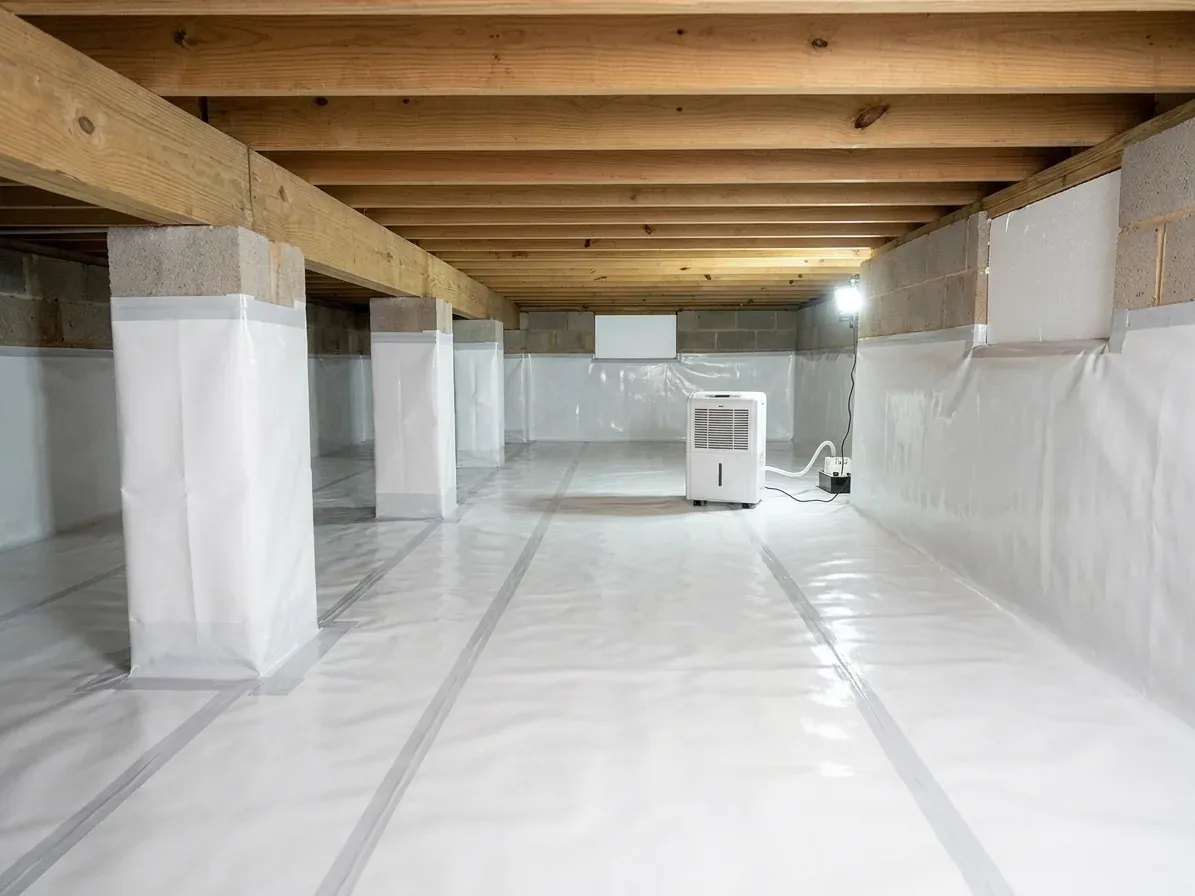
Crawl space with new white vapor barrier covering the floor and walls

02 / 07

Vapor barrier replacement

A new ground cover over the dirt without closing the vents. It is the budget option and it fixes the moisture coming up from the soil.

What's included

  • Torn or missing plastic removed
  • 10- to 20-mil liner over the floor with lapped, taped seams
  • Liner run a short way up the piers and walls

When you need it

The crawl space is mostly dry and the main issue is bare or torn plastic. It does not address humid summer air coming through open vents.

Typical: $1,500–$4,000

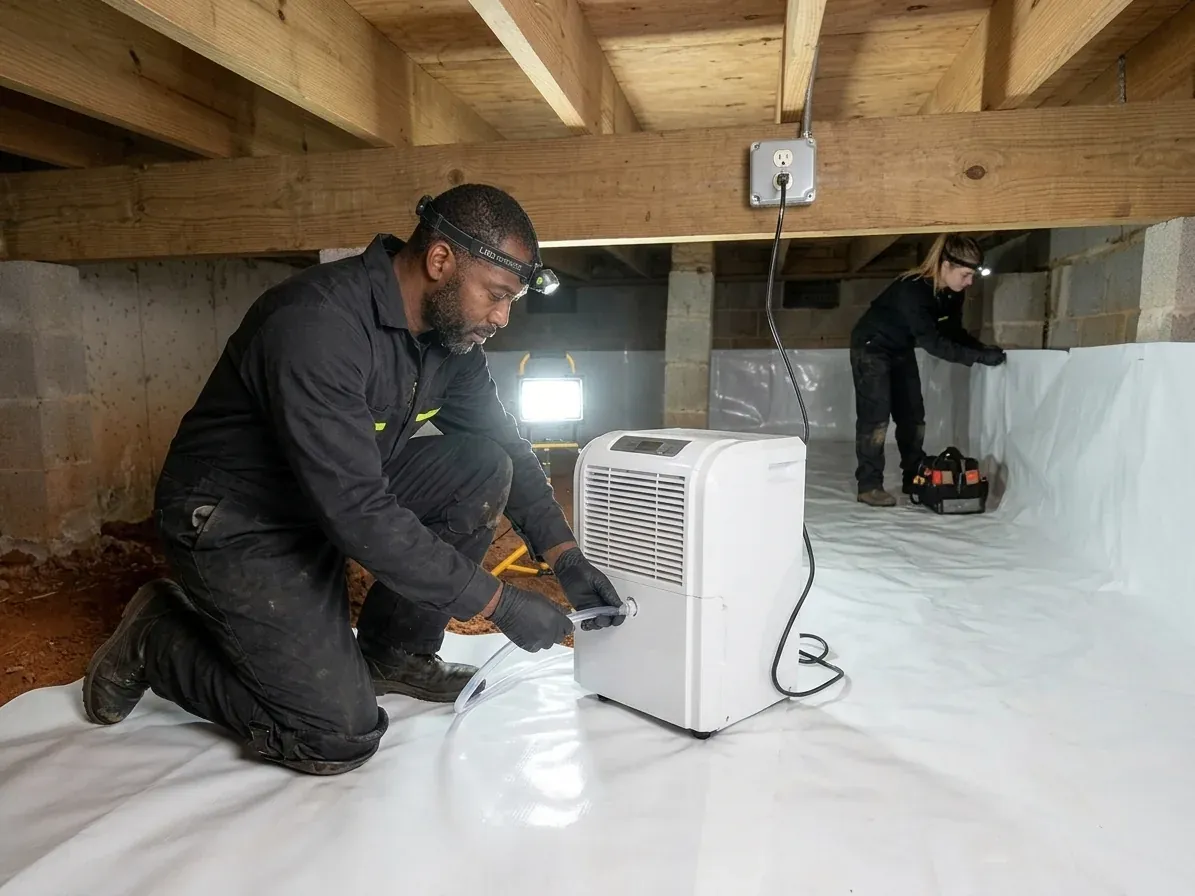
Crawl space dehumidifier being connected to a condensate drain

03 / 07

Crawl space dehumidifiers

A crawl space dehumidifier is built to sit on a liner, run in a cool space and drain on its own. NC R409 requires a moisture-control method in every closed crawl space, and this is the most common one.

What's included

  • Unit sized to the crawl space volume
  • Condensate line to the sump, a condensate pump or daylight
  • Dedicated outlet on its own circuit, inspected under the permit
  • Set to hold the space around 50–55% relative humidity

When you need it

Part of every full encapsulation, or a replacement for a failed unit or a household dehumidifier that was never meant for a crawl space.

Typical: $1,800–$3,000 installed

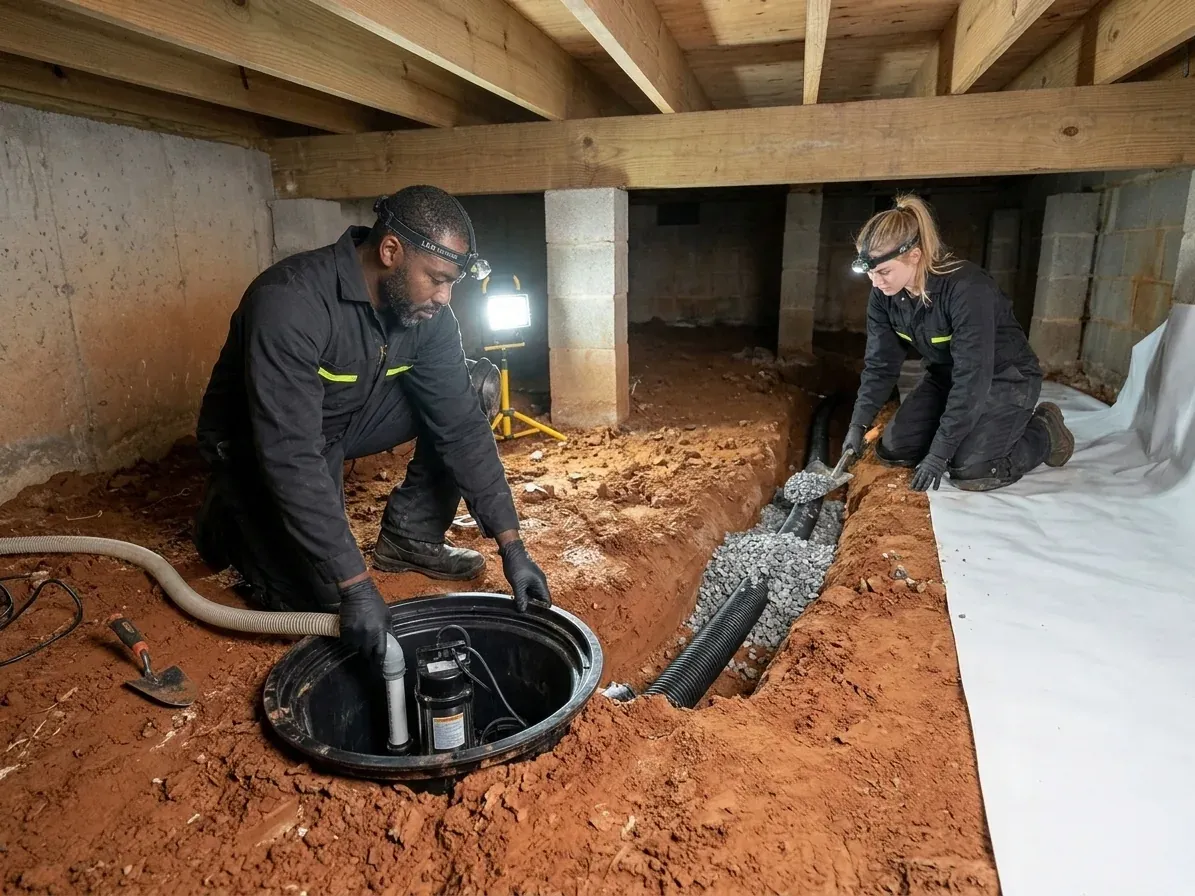
Crew installing a perimeter drain and sump basin in a crawl space

04 / 07

Drainage and sump pumps

If water pools under the house after a storm, the liner cannot go in first. Water has to have somewhere to go.

What's included

  • Exterior check of gutters, downspouts and grading (the cheapest fixes)
  • Interior perimeter trench with gravel and perforated pipe along the wet walls
  • Sealed sump basin with a pump and a lid under the liner
  • Discharge line to daylight away from the foundation

When you need it

Standing water, mud, or water lines on the block walls. On Charlotte's slow-draining red clay, the low corner of a sloped lot is the usual spot.

Typical: $2,000–$5,000

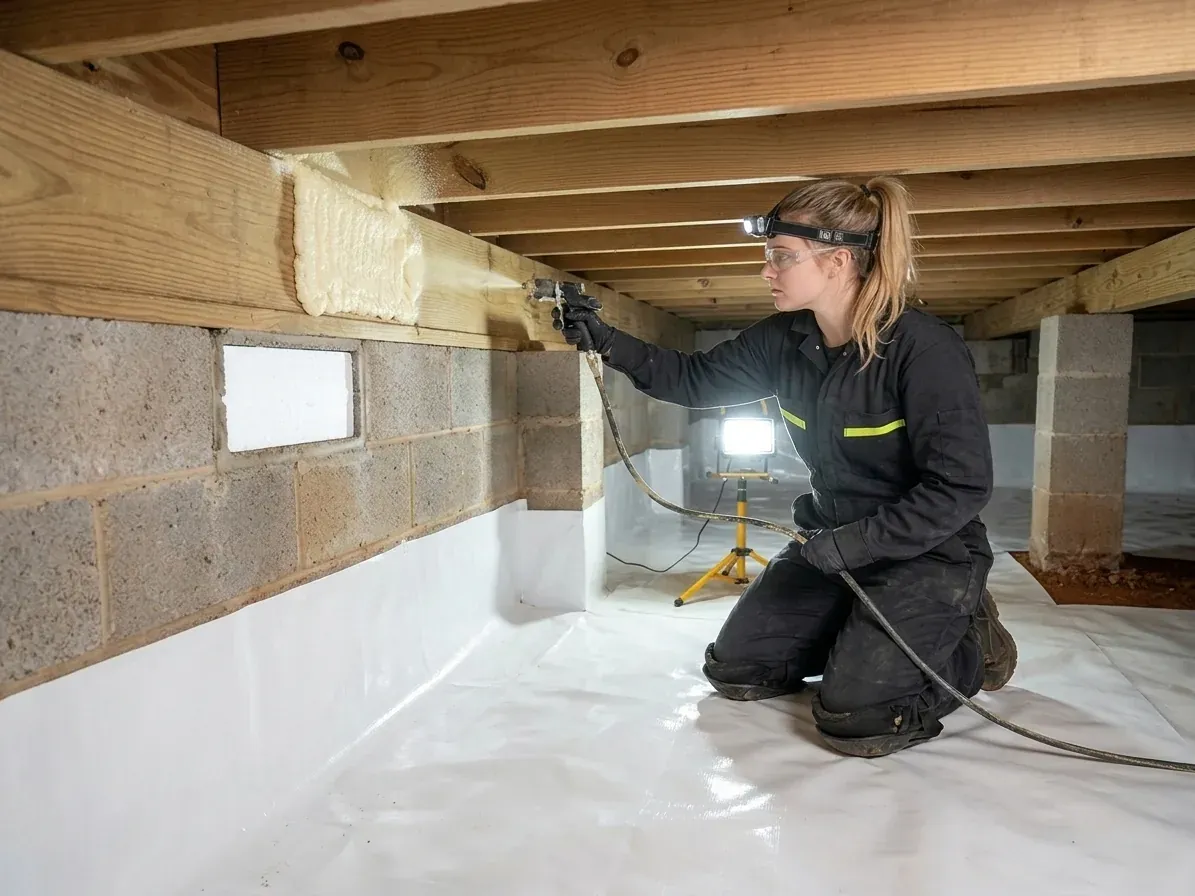
Technician spraying closed-cell foam on a rim joist next to a sealed vent

05 / 07

Vent sealing and rim joist insulation

Closing the vents is what turns a vapor barrier into a closed crawl space. The rim joist, the band of wood sitting on top of the foundation wall, is where most outside air leaks in.

What's included

  • Foundation vents closed with fitted rigid foam from the inside
  • Closed-cell spray foam or rigid board on the rim joist
  • Wet or fallen fiberglass batts removed from the floor joists
  • Optional rigid foam on the walls, which lets the floor insulation come out

When you need it

Always part of a full encapsulation. Wet, sagging batts are common in older Charlotte crawl spaces and only make things worse once they hold water.

Typical: Included in full jobs; insulation removal about $1–$2 per sq ft

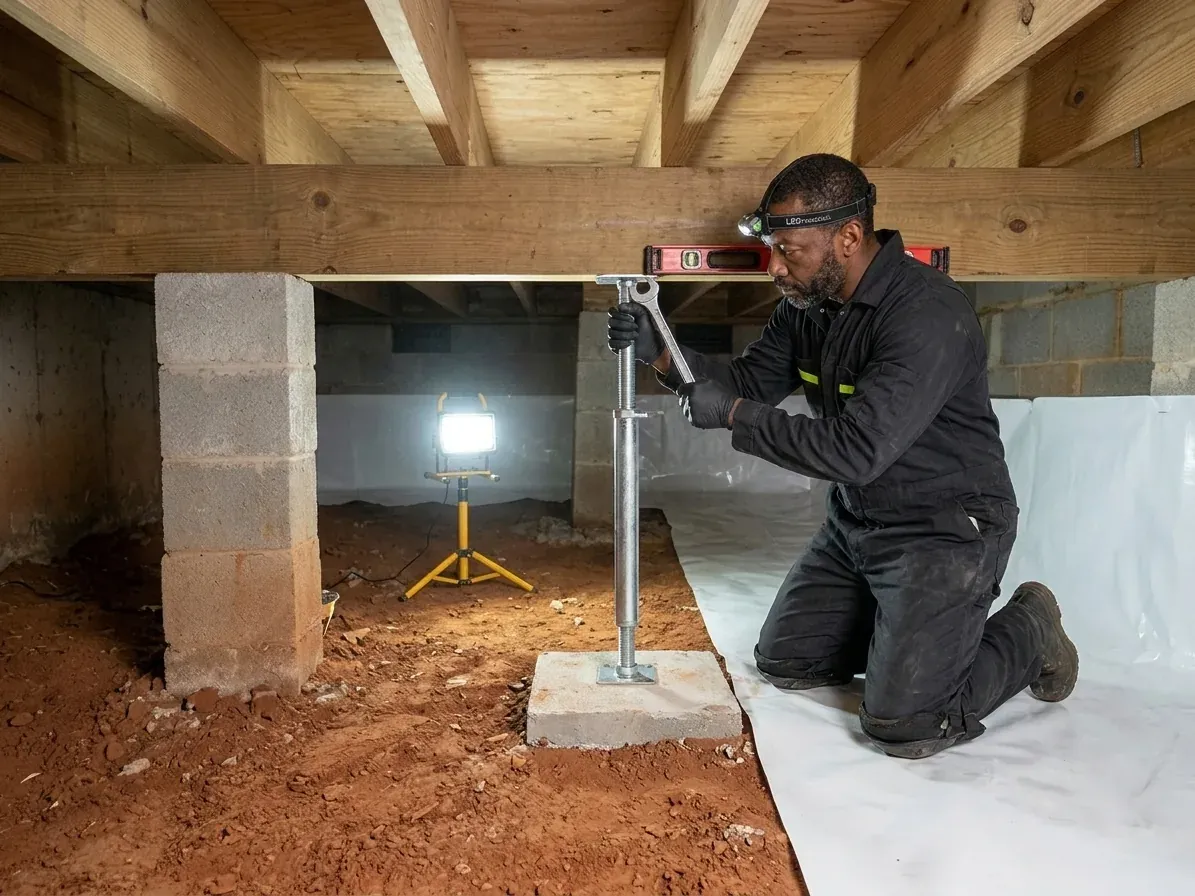
Technician adjusting a steel support jack post under a crawl space girder

06 / 07

Sagging floors and wood rot

Years of high humidity soften the framing. Bouncy floors, sloping hallways and doors that stick are often a crawl space problem, not a foundation problem.

What's included

  • Supplemental steel jack posts on new footings under sagging girders
  • Sistering or replacing rotted joists and sill plate sections
  • Mold treatment of stained framing once the moisture is fixed

When you need it

Wood moisture readings above about 19–20%, visible rot, or floors that have dropped between piers. Structural work is quoted after the inspection and done before the liner goes in.

Typical: Quoted on site

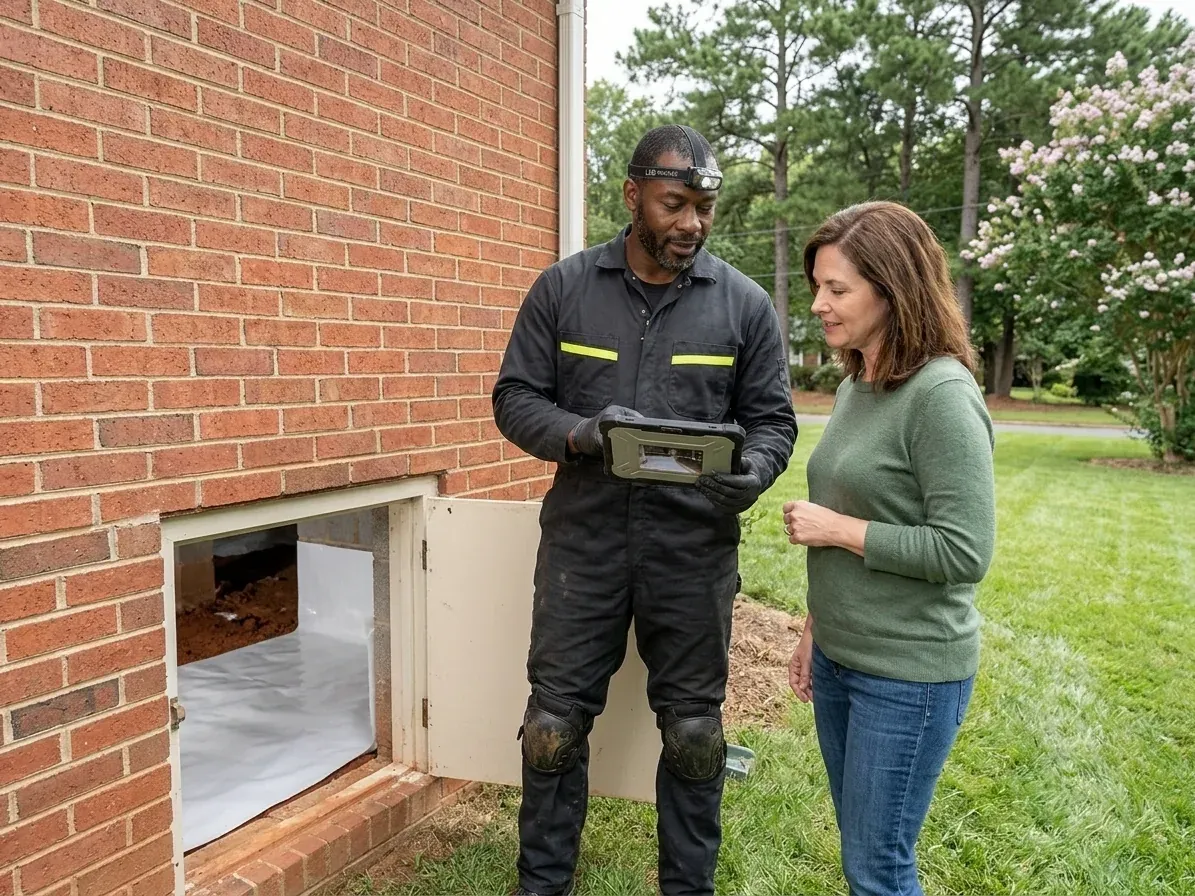
Inspector reviewing crawl space photos on a tablet with a homeowner

07 / 07

Inspections for home sales

Crawl space moisture is one of the most common findings in Charlotte-area home inspection reports. A dedicated crawl space inspection gives buyers and sellers a scope and a number before closing.

What's included

  • Humidity and wood moisture readings with photos
  • Notes on water, insulation, vents, pests, ductwork and framing
  • Written scope and quote the parties can negotiate from

When you need it

You are listing a house, under contract, or a home inspector wrote “moisture observed in crawl space” and you need a real number.

Typical: Inspection is free

Local housing

Which Charlotte homes have this problem

1920s–1940s bungalows in Dilworth, Plaza Midwood, Elizabeth and NoDa often sit on brick piers with a low, vented crawl space and little or no ground cover. They are the hardest to work in and usually need the most prep.

1960s–1980s brick ranches across east Charlotte, Matthews, Mint Hill and Pineville are the classic block-foundation crawl space: open vents, thin plastic, fiberglass batts. These are the most common full encapsulations.

Newer homes in Ballantyne, Huntersville, Indian Trail and Waxhaw are frequently built on crawl spaces too. Many have a basic vapor barrier from the builder and open vents, and the first sign of trouble is sweating ductwork in July.

Free crawl space inspection.

Moisture readings, photos of everything under the house, and a written quote. No obligation.

CallBook free inspection